The betta fish is among the most favored aquarium pets due to their colorful nature, waving fins and interesting personalities. If you’re a new betta owner (or even experienced), a common question you’ll encounter is: how often to feed betta fish for optimal health and happiness. It can be a huge difference in the way your fish digests, the amount of energy it has and its general health depending on how well you bet on the correct feeding schedule.
Here are some of the steps we will follow in feeding schedules, portion size, over feeding or under feeding indicators and simple tricks to establish the most appropriate routine to feed your betta fish.
Why Feeding Frequency Matters
In the wild, bettas are opportunistic feeders, they will eat insects and larvae whenever they come across them. This instinct is still there in captivity, and this implies that they will still eat as long as there is food. That’s why knowing how often to feed betta fish is so important: overfeeding can lead to bloating, digestive problems, and water quality issues, while underfeeding can stunt growth or lead to lethargy.
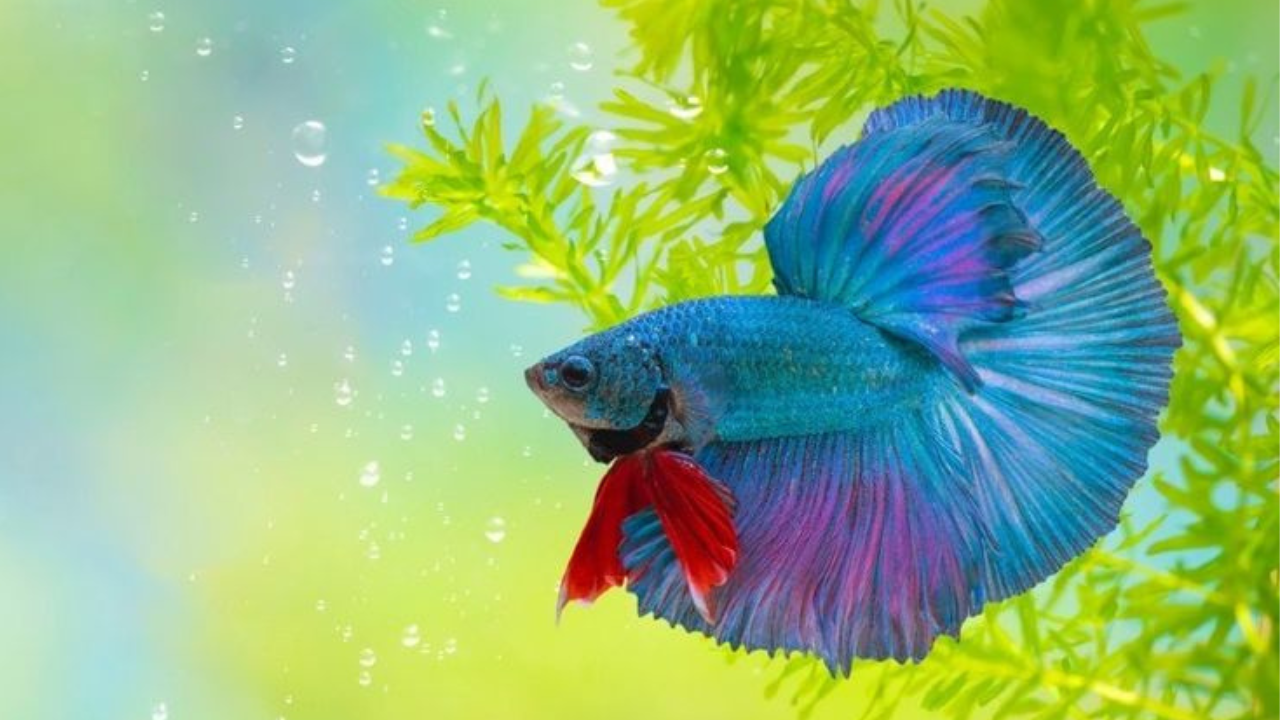
Regular feeding is also good to aid in proper digestion and also to make your betta used to a regular routine. When fed properly, bettas are more active and engaged because they are likely to predict feeding times.
Standard Feeding Frequency
Then, what is the feeding schedule of your betta fish?
Daily Feeding
In the majority of cases, feeding once or twice a day is suggested to adult bettas.
- Once per day: This is typical of most hobbyists, and works well when your betta finishes all the food fast and the water quality remains constant.
- Twice a day: It is the choice of many experts to feed in small portions twice a day, usually in the morning and evening. This imitates a more natural foraging activity and can aid digestion.
The majority of feeding guides recommend a light meal on a twice-a-day basis particularly in younger or more active fish. Others even recommend up to three small feedings within the day.
Fasting Days: Why They Can Help
Most of the experienced betta keepers incorporate one day of fasting a week, i.e. the fish does not eat on that day. As an illustration, others feed their bettas six days a week with a day of fasting (usually on Sundays). This assists in taking a break to the digestive system and may minimize the chances of constipation and bloating.
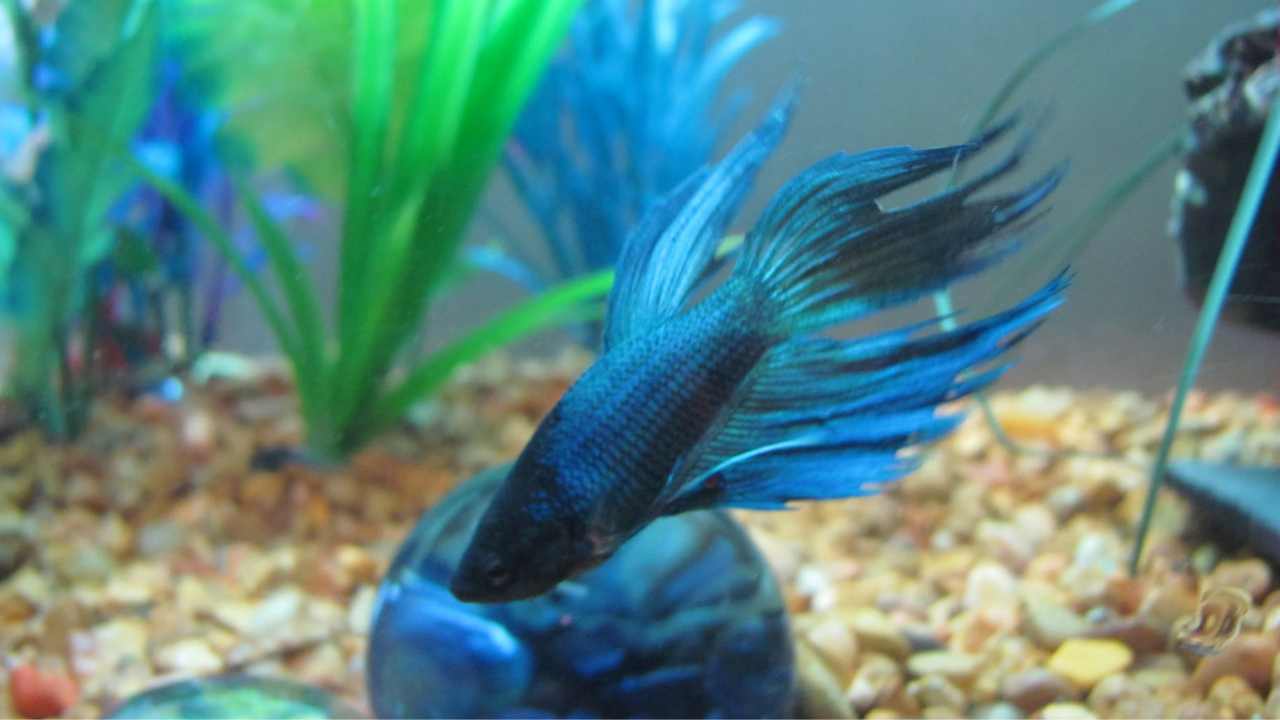
Fasting does not damage healthy bettas and may be a handy method in the prevention of digestive problems. Only, make sure to observe the behavior of your fish and make changes depending on its behavior and its health in general.
How Much to Feed at Each Meal
Knowing how often to feed betta fish also goes hand in hand with knowing how much to feed them.
- Pellet Amount: It is a good rule of thumb to feed your betta only what it can consume in 3-5 minutes. Food that is not taken should be cleared to avoid contaminating the water.
- Pellet Size: The commercial betta pellets are usually of a size suitable to the average adult betta, and a few (usually 4-7 per feeding) is a general rule.
- Treats: Freeze-dried or frozen snacks such as bloodworms or brine shrimp may be added occasionally (e.g. once or twice a week), but should not substitute the regular meals.
Owing to the small size of the stomachs of bettas, about the size of an eyeball, small portions are preferable to big meals at once.
Read Also: Ekka: Kannada Movie (Review): Intense Action With Familiar Beats
Adjusting Based on Betta Life Stage
Frequent feedings are required more often (3-4 times a day) by young bettas (fry) as they are developing rapidly, and consuming a lot of energy. Their food must be small and manageable so that it does not pollute water.
Adult bettas normally do not require more than one or two feeds a day. Betas that are very old or inactive can also take smaller meals less frequently, provided that they remain healthy and active.
Tips for Successful Feeding
The following are some of the convenient habits that simplify and secure feeding:
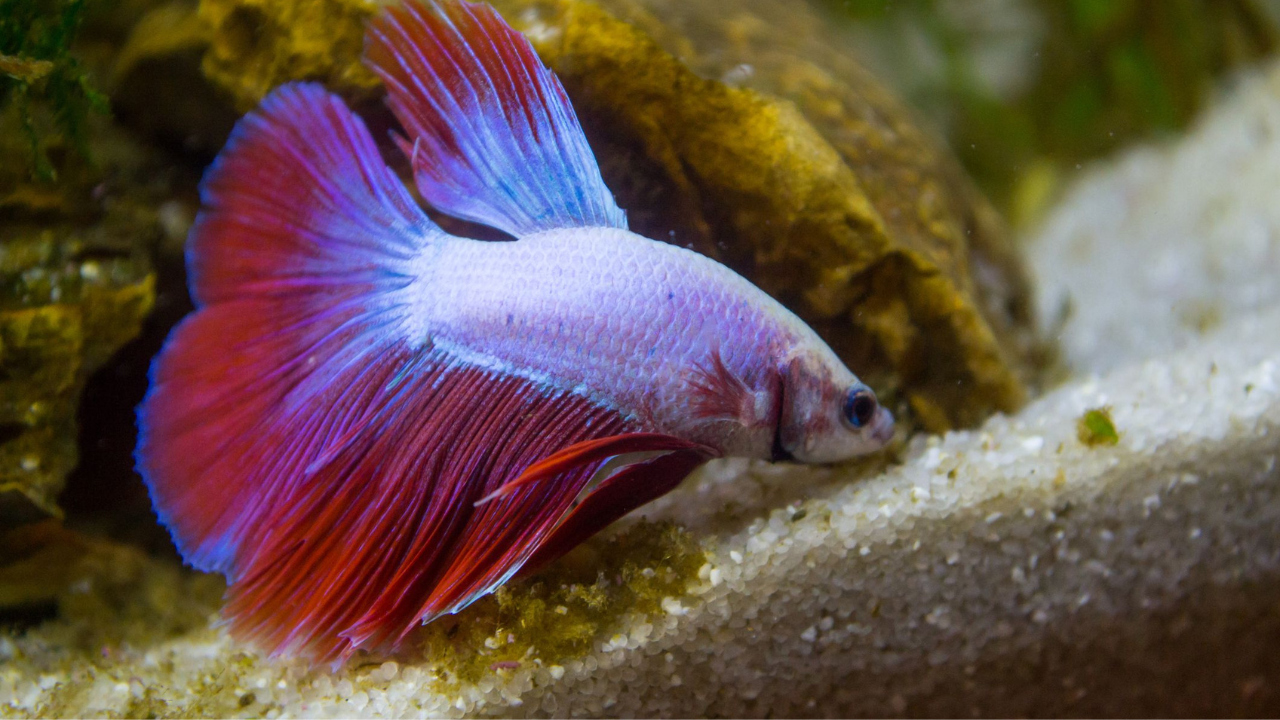
1. Stick to a Routine
You should select certain times of day to feed your betta so that he can expect to be fed. Bettas are habitual animals and they feed on regularity.
2. Observe Your Betta
Watch the appetite and behavior of your fish. Provided that it always finishes its food fast, you could give it a little more the next time – or give it more but in smaller portions.
3. Keep Water Clean
Food waste decays and negatively affects the quality of water. Wipe away food that is not consumed after feeding, and monitor water parameters.
4. Use High-Quality Food
Select an appropriate betta-specific pellet or flake food that contains a lot of protein and is designed to be consumed by carnivorous fish. Occasionally frozen or live treats can be added to it to add variety and enrichment.
Final Word
Understanding how often to feed betta fish is one of the most important parts of caring for these graceful aquatic pets. It does not matter whether you feed your betta once a day or twice a day in smaller portions, the most important thing is that it should be regular, in moderation, and you should be aware of the needs of your betta. It will not take long to discover the optimal feeding schedule to keep your fish healthy and happy by observing its behavior when it eats.
Your betta does not require a one-fit-all feeding regimen, it requires the proper routine in its way of life. Eat cautiously, be alert and your betta will lead a lively active life in your tank in years to come.
Read More: Betta Fish Tank: The Essential Guide to a Thriving Betta Home