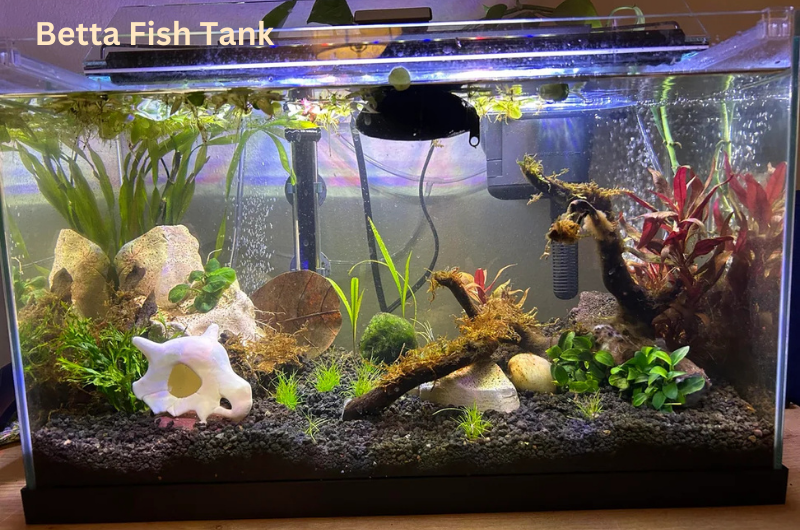
Just like the preparation of a room prior to moving-in, the initial step to good and healthy fishkeeping is the establishment of your betta fish tank. The beautiful tropical fish called bettas has the characteristic of their beautiful colors and graceful fins but they will only survive when their surroundings replicate the needs that they have naturally. Being aware of what your betta will require in days to come will assist you in avoiding some of the most traps such as bad water quality, improper tank size or even fluctuating temperature.
In this article, we are going to tour all the necessary equipment and set up procedures of a betta fish tank, including selecting the appropriate tank to purchase the correct tank to test the quality of the water so that you can provide your pet with a safe and stress-free environment.
Why a Betta Fish Tank Setup Matters
The environment that your betta is in is key to its health and well-being. Bettas were developed in calm Southeast Asian waters and an adequate tank arrangement aids in replicating the state. The proper arrangement does not only maintain the water parameters but also offers room to your betta, allowing it to swim, explore, hide, and blossom.
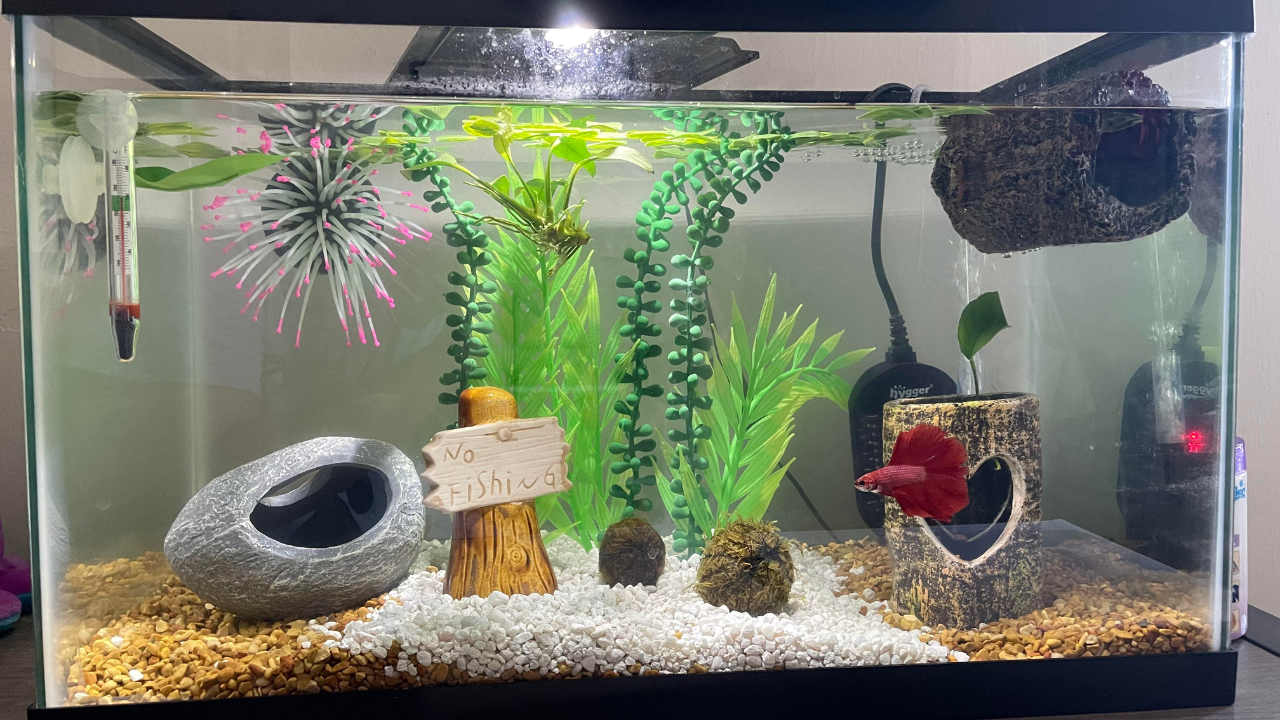
Must-Have 10 Items For Betta Fish Tank
1. Selecting the Perfect Betta Fish Tank
Naturally the betta fish tank is the most important part of a set up. It is possible to have a few guidelines that can make a big difference:
Minimum Tank Size
Bettas are usually packaged in small bottles, although this is not the best. The minimum size of an aquarium suggested by most hobbyists is 5 gallons. Bigger tanks will offer more steady water conditions, the minimum frequency of maintenance, and higher enrichment.
Tank Shape and Space
The horizontal space better suits Bettas than does the vertical height. They can explore, rest and show natural behaviors through the use of a long tank. There is a perfect amount of 5+ gallons that would suit one fish, though bigger tanks (10 or larger) are even better in case you plan to add vegetation or inoffensive tankmates.
2. Tank Lid for Safety
Surprisingly, bettas jump well when startled, or when they are in pursuit of food. The tight-fitting lid also stops them escaping out of the water and bettas that are curious do not escape. Cover is provided with some kits and can be added on the top of the tanks, or lids available in the pet stores or self constructed mesh covers to enhance air flow and stop escapes.
3 & 4. Thermometer and Heater
Bettas are also tropical in nature and require warm conditions with a consistent temperature of about 78°F to 80°F (25.5°C–27°C). A high quality aquarium heater and an effective thermometer are essential to keep the temperature constant, which is the key to digestion, immunity and general functions. Temperature changes can cause sudden stress to the bettas and subject them to sickness thus it is important to have a heater coupled with a thermometer.
Read Also: What to Know About Hizzaboloufazic: Facts, Origins & Impact
5. Low-Flow Filter
Novices believe that bettas do not need a filter, though filtration is essential to healthy water. Filters provide debris trapping and also provide useful bacteria that decompose harmful waste chemicals. Nevertheless, bettas like soft water circulation and therefore take a low flow filter or baffle the output in order to ensure that the current is not too strong. A great alternative is often the use of sponge filters and small internal filters, which keep the water quality high, and your fish would not be stressed.
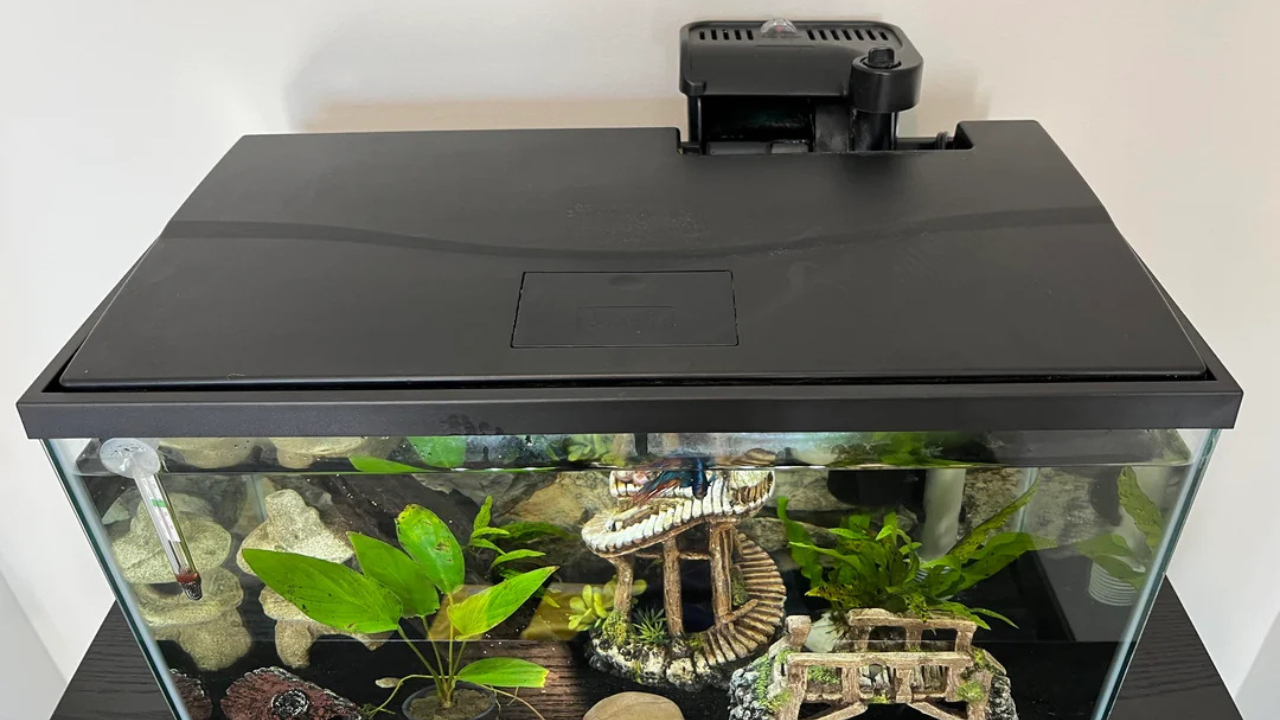
6 Dechlorinator
Tap water has got chlorine and in some cases chloramine that is harmful to fish. These harmful elements are eliminated instantly when you add new water to the tank, and a dechlorinator (water conditioner) is added to the tank. By doing this basic action you can protect the delicate gills of your betta and also help to sustain healthy bacteria in your filter.
7. High-Quality Fish Food
The diet of your betta is very important to it. Bettas are carnivorous and they require protein food such as betta foodstuff, bloodworms freeze dry or brine shrimp. Feed in small portions once or twice a day and do not overfeed, otherwise the food that remains untaken contaminates the water and causes health problems. Good food also enhances good color and good immunity.
8. Locations to Hide (Decor and Shelter)
Hiding spots and enrichment cannot be absent in a betta fish tank. Bettas are comfortable when they have spots to sleep or to avoid the bright light. Smooth rocks, caves, driftwood, silk or live plants, and betta leaf hammocks can be used to create an element of shelter and a mix in the tank. Only be sure that decorations are so made that there are no sharp edges that might tear delicate fins.
9. Proper Lighting
The tank has lighting that contributes to the creation of a natural day-night cycle to minimize stress levels and promote normal behavior. The right level of light also works in favor of plants (live or artificial). Install a tank light that has a timer mechanism such that your betta gets some regular light cycles, and most tanks have a light period of about 8-12 hours in a day.
10. Water Test Kit
Monitoring the water parameters, perhaps, is one of the most significant components of a healthy betta fish tank. A water test kit will enable you to test such parameters as ammonia, nitrite, nitrate, and pH. These levels directly influence the health of your betta even the slightest imbalance can be stressful or diseased. Regular testing will enable you to identify the issues at an early stage and rectify them before they can cause damage to your fish.
Final Words: How to Build the Ideal Betta Fish Tank
It takes some preparation to create the perfect betta fish tank environment and the reward is well rewarded. The correct tank size, stable temperature, mild filtration, quality food, hiding places and frequent water testing will all provide your betta with the best opportunity to prosper.
These necessities include the basic requirements of your betta, regardless of whether you are a complete beginner or you are upgrading your current set up. These are all you need to get started and your betta will thrive in its new aquatic habitat.
Read More: The Betta Blueprint: How Long Do Betta Fish Live?