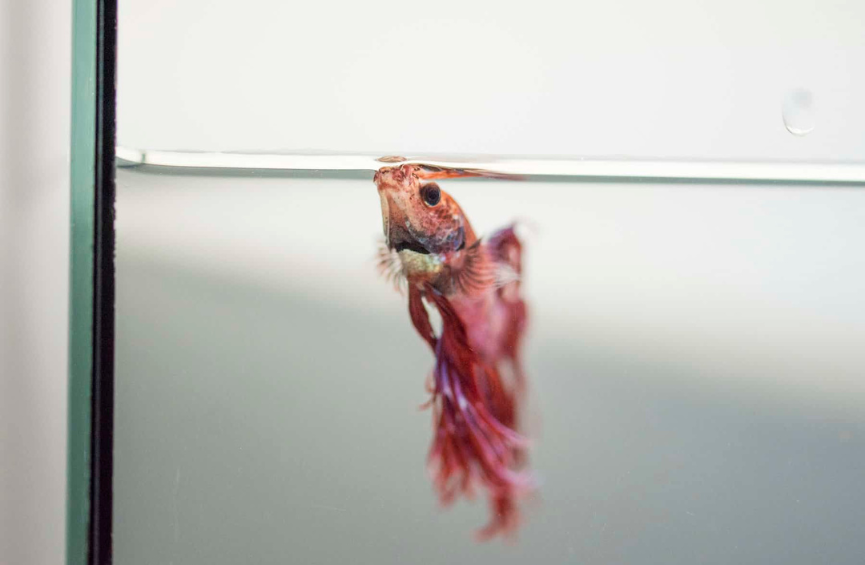
Learning how to read the betta fish behavior before death is among the most crucial skills that any betta owner should know. Bettas are vibrant, personalized fish and by observing the slightest changes in the behavior or appearance of the fish at its early stages, you can react fast, perhaps even save their life.
We are going to take you through the most frequent changes you are likely to observe before a betta fish dies, their causes, and how you can assist your fish during its last few days.
Signs Your Betta Fish Might Be Dying
A betta fish that is either very sick or is near death will usually exhibit a certain set of symptoms which are indicative of the condition rather than a healthy fish. These are some of the signs that you should identify early in order to make a tremendous difference in the manner in which you take care of your fish.
1. Lassitude and Reduced Vitality
Dramatic lethargy is one of the earliest and the most obvious signs of betta fish behavior prior to death. Bettas are innately inquisitive and active, they will do everything to explore their tank, swim around the plants and in many cases, when you are around or it is time to feed, they will respond.
When your betta suddenly spends most of its time in place, takes a lot of time to rest on the bottom, or does not seem to be interested in motion, then that is a very good warning sign.
2. Loss of Appetite
When food is presented to a healthy betta, it will swim up with eagerness. When your fish starts to refuse to eat, spits or is not interested in eating, this may be an indication of a severe issue. Stop-eating betta fish have a tendency of having internal stress, sickness, or bad water conditions.
3. Clamped Fins
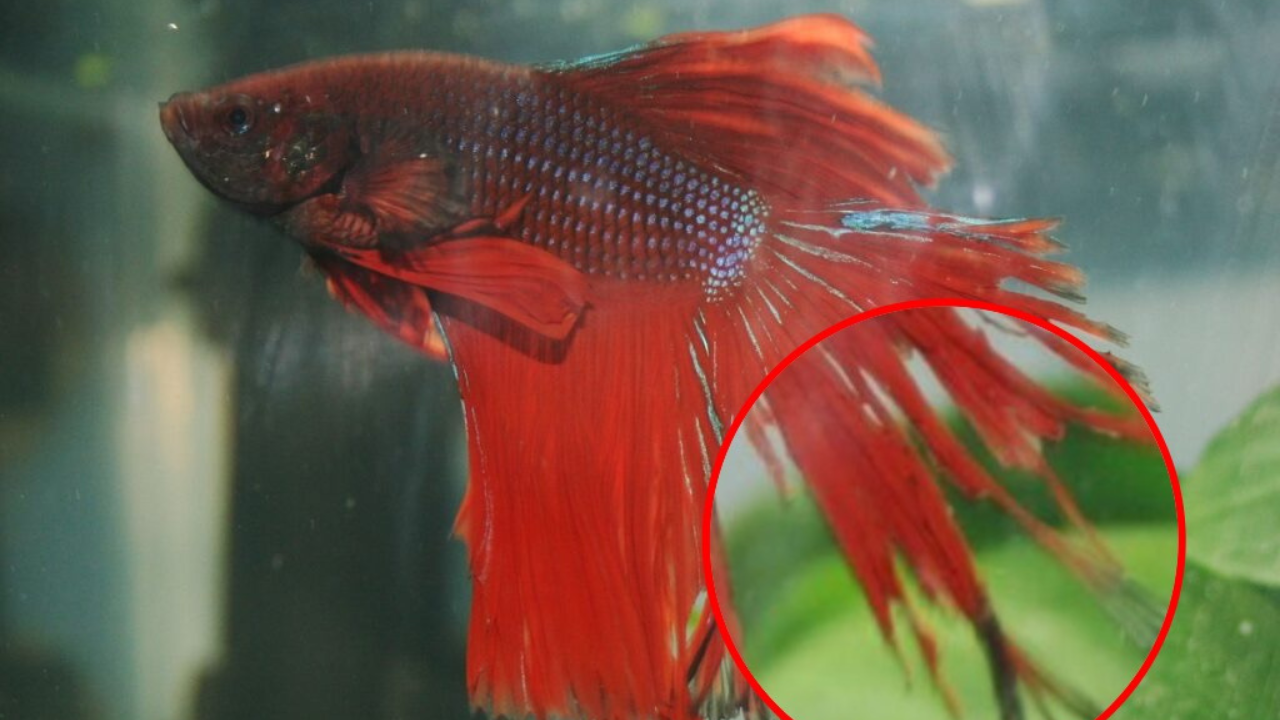
Another major sign of distress is clamped fins, which refers to the zipping tight of the normal flowing fins of a betta against the body. A betta with clamped fins appears stressed and strained as opposed to fanning or floating in the water.
This habit usually indicates that the fish is under stress or sick and when it is not addressed it may be one of the components of the general deterioration.
4. Breathing Difficulties
The labyrinth organ is a special organ of betas, which allows them to inhale surface air. It is not unusual to see your fish on the surface now and then, but when it is gasping, always within the same place, or seems to be having trouble breathing, then it is either out of its comfort zone or in pain.
Poor water quality, gill infections or other underlying health problems may cause labored breathing which should never be ignored.
Read Also: Sinknews com: Get the Trending News and Daily Updates of Different Affairs
5. Splendor-Fading Colors or Discoloration
Betta fish are known to be of bright and vivid colors. Once your bright reds, blues or patterns begin to fade, grow dull or wash out, then it is a fair indication that your fish is not doing well.
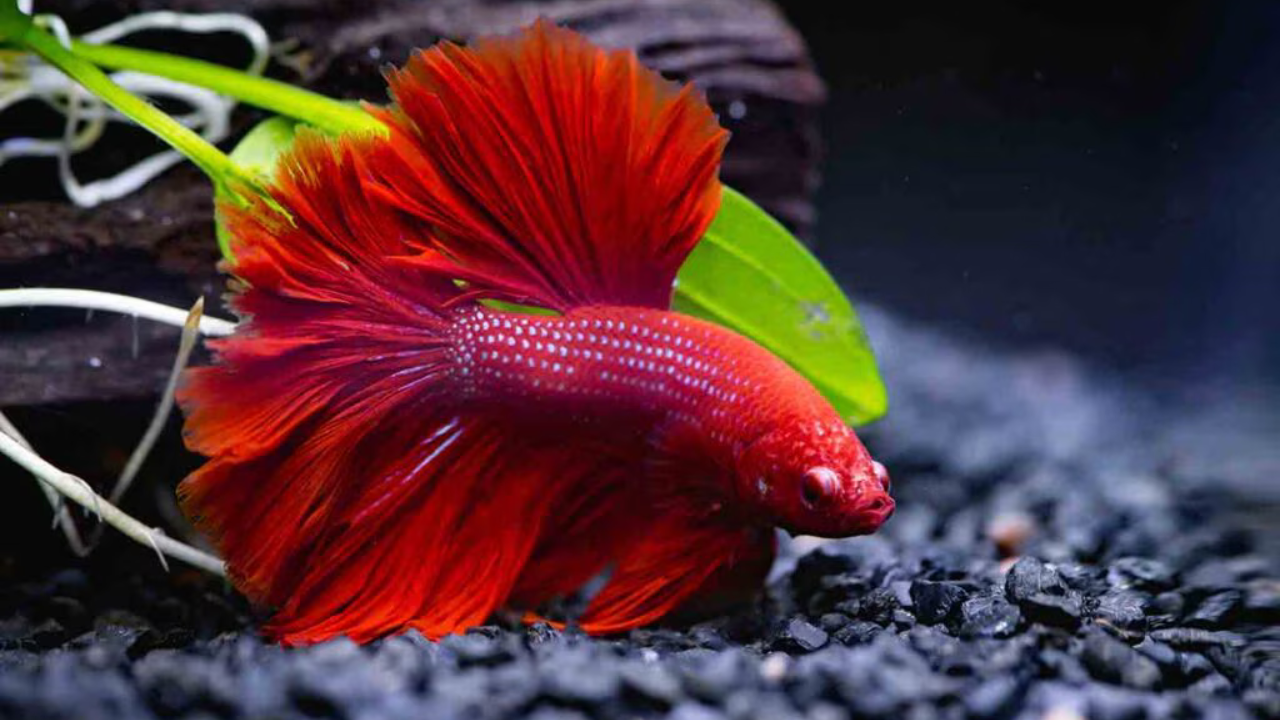
Such discoloration may be due to stress, illness, old age, or environmental problems such as unsuitable water conditions. It is important to notice the changes in color at an early stage to be able to respond before the problem worsens.
6. Sitting at the Bottom of the Tank
It is normal to have bettas taking time to rest but lying in the tank most of the day without any movements is not normal.
This may be an indication that your fish is weak or ailing and is not well enough to swim freely around. This behavior is closely observed, and in combination with other symptoms, it may be a sign of health problems.
7. Hiding and Isolation
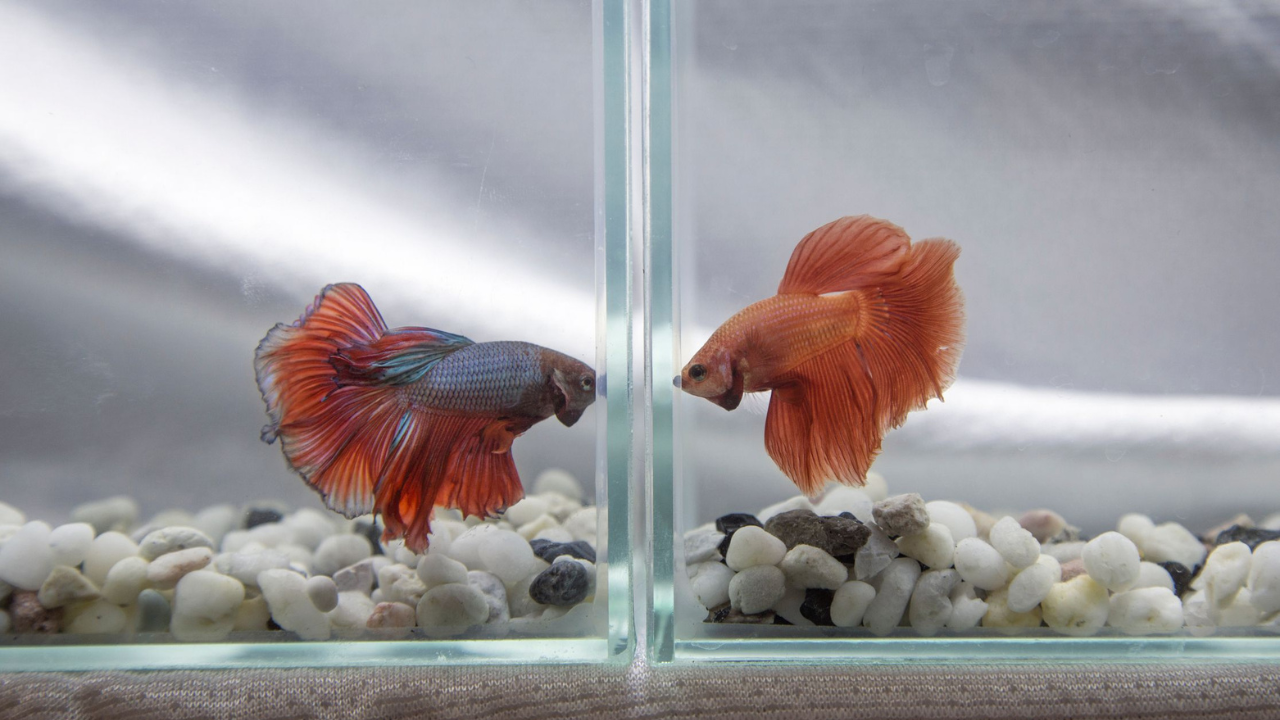
Beta fish tend to be aggressive and outgoing, most of them go to the front of the tank when you come close. When your betta all at once begins to hide more frequently, retreating to caves and vegetation and refusing to be active or to be touched or handled this may be a sign of stress or discomfort.
Isolation is typical preceding a severe deterioration particularly when combined with other red flags such as lethargy or anorexia.
8. Visible Disease Signs (Lesions, Fungus, Fin Rot)
White patches, lesions, ulcers or fraying fins are physical symptoms which are serious warning signs. These symptoms may indicate bacterial, fungal or parasitic infections, which the fish may not be able to overcome without treatment.
Painful infections are usually accompanied by fin rot and skin troubles that can easily worsen when untreated.
9. Balance Loss or Swimming Abnormality
When your betta will not swim properly, that is, floating on his side, upside down or circling about, this may indicate a problem with his swim bladder or a nervous system problem.
Problems in swimming that persist with time are usually an indication of severe health deterioration.
What You Can Do If Signs Appear
In case of any serious behaviors you may take measures to make attempts to help your betta:
Identify and Enhance Water Quality
It is necessary to test the ammonia, nitrites and pH in your tank. Any health problem is aggravated by high toxins so the immediate effect of changing to clean, conditioned water and partial water changes is usually very helpful in increasing comfort.
Provide a Conducive Atmosphere
Stress can be minimized by the use of a well-heated, calm tank, where one has places to rest and where the environment is calm. Bettas prefer constant temperatures (around 78–82°F) and a low water level.
Seek Veterinary Help
A veteran who has dealt with fish is able to diagnose and occasionally treat underlying conditions with antibiotics, antifungals, or other drugs. Professional assistance can provide a betta with the highest opportunity to recover.
Consoling Your Betta in its Last Days
Not all bettas can recover despite all the care. Here, the emphasis should be put on the elimination of stressors – water should be clean, the environment should be stable, and no loud noise or abrupt changes should be involved. The best thing you can do with your fish during its dying days is to provide a peaceful environment to it.
Final Word
Betta fish behavior before death: knowing the behavior of betta fish in advance will assist you in identifying the signs of them beforehand, responding promptly, and giving the most appropriate care. Regardless of whether you are attempting to revive your fish or just make his last days comfortable, it is important to pay attention to behavior. Your betta can be provided with the quality of life it deserves in case of proper care and attention.
Read More: How Often to Feed Betta Fish: A Complete Feeding Guide